Rizz, Brat, and AI Agents: The Annual Battle Over Which Words Deserve to Matter
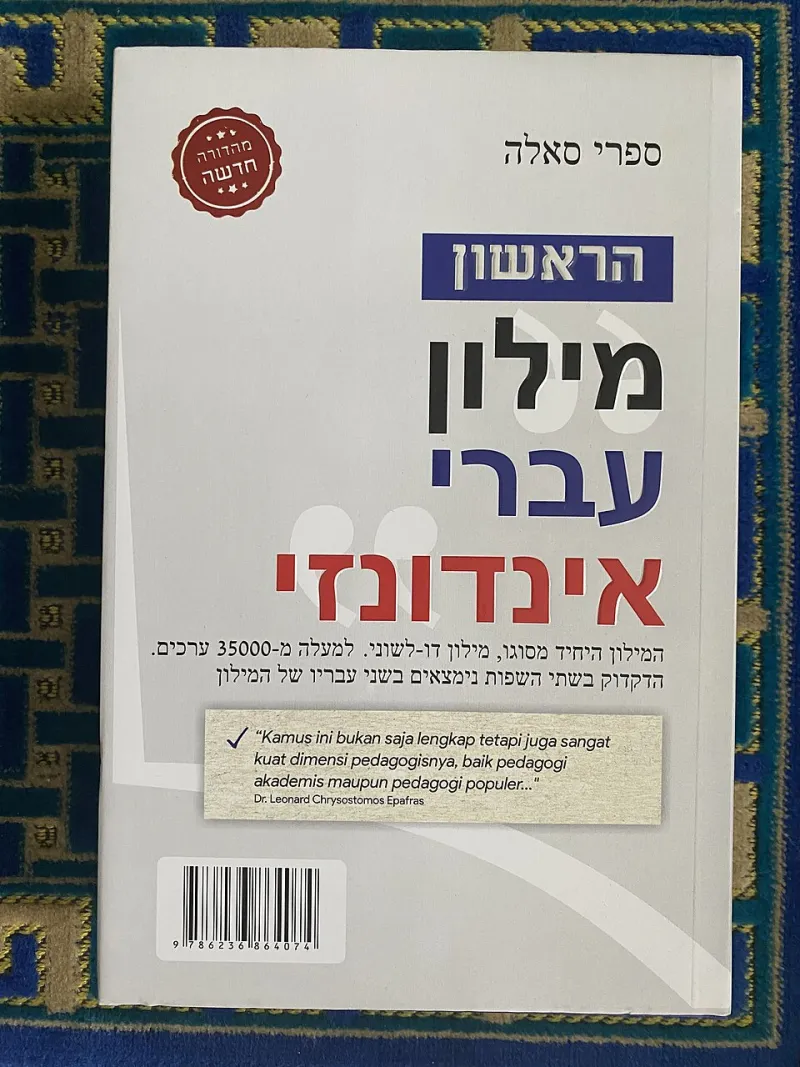
Photo: Saprisale123, CC0, via Wikimedia Commons
Each December, a peculiar ritual unfolds across American media. Dictionary publishers — institutions most people ignore eleven months of the year — suddenly command headlines as they announce their Word of the Year selections. Oxford gave us 'rizz.' Merriam-Webster countered with 'authentic' in one cycle and 'pandemic' in another. Meanwhile, on LinkedIn and in marketing newsletters, a parallel ceremony takes place: self-appointed trend-spotters declare the business buzzword of the moment, whether that's 'AI agents,' 'signal-based selling,' or whatever compound phrase dominates conference keynotes that year.
These two traditions rarely acknowledge each other, yet they are competing for the same resource: the collective attention of English speakers deciding which words to adopt, repeat, and eventually retire. For marketers, understanding this contest is more than a party trick. It reveals who actually holds linguistic authority in American business culture — and how that authority shifts.
The Dictionaries Play the Long Game
Lexicographers approach Word of the Year selections with something close to scientific detachment. Oxford's lexicographers track frequency data across corpora; Merriam-Webster monitors lookups on its own site, measuring what people are curious enough to check. The selections are descriptive, not prescriptive. 'Rizz' — a contraction of 'charisma' popularized by a Twitch streamer — earned Oxford's crown not because editors approved of it, but because usage data showed it had genuinely arrived.
This descriptive stance matters. Dictionaries are, in effect, the official record-keepers of language change. When they anoint a word, they are certifying that a shift already happened. The word did the work; the dictionary merely stamped the passport.
Marketers Declare, Rather Than Record
The marketing world's version operates on entirely different logic. When influencers and trade publications crown a term of the year, they are not documenting adoption — they are attempting to cause it. Declaring 'AI agents' the word everyone must know in 2025 is a performative act, a bid to shape vocabulary rather than catalog it.
This is not necessarily cynical. Marketing has always been a language factory. 'Positioning,' 'touchpoint,' 'viral,' and 'growth hacking' all entered common business speech through practitioners who used terms aggressively until they stuck. The influencer Word of the Year is best understood as a bet: this term will matter, and I will appear prescient when it does.
The risk, of course, is that most bets fail. For every 'growth hacking' that endures, dozens of coined terms evaporate within a fiscal quarter.
What 'Rizz' Competing With 'AI Agents' Actually Tells Us
The revealing tension is not between the two traditions but within the attention economy they share. When a teen-culture coinage like 'rizz' can outrank a technical term like 'AI agents' in cultural salience, it demonstrates that word adoption in America is driven less by utility than by social energy. 'Brat' — dictionary-certified after Charli XCX's album turned it into a lifestyle shorthand — carried an emotional charge that no B2B term can match.
Marketers should read this as a lesson in adoption mechanics. Terms spread when they offer identity value, not just informational value. Your internal push to standardize 'customer lifetime value' will never generate the enthusiasm that a pop-culture coinage does organically. The vocabulary that survives inside organizations is often the vocabulary people enjoy saying.
A Practical Glossary Note
For working professionals, the takeaway is straightforward. Dictionary Words of the Year are reliable signals of completed language change — safe to use in client-facing copy. Marketing-declared words of the year are forward-looking wagers — useful to recognize, but risky to adopt in formal documents before they demonstrate staying power. A term like 'authentic' required no explanation; a term like 'agentic workflows' still does.
Who Decides What We Say?
The honest answer: everyone and no one. Dictionaries certify; marketers attempt; the crowd decides. The annual Word of the Year wars are entertaining precisely because no institution holds a monopoly on linguistic legitimacy. For students of marketing, that is the deepest lesson of all — language, like brand preference, cannot be mandated. It can only be earned, one conversation at a time.